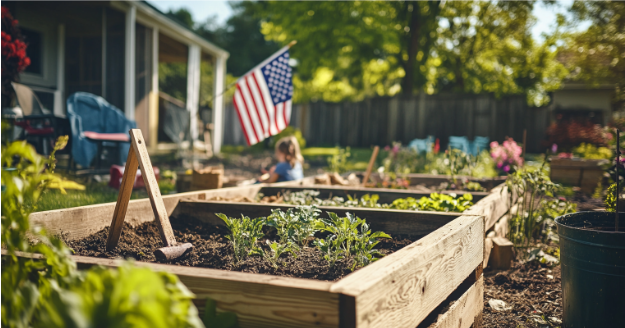
July marks a turning point in the growing season. The rush of early summer planting has passed, and many homesteaders are now beginning to harvest tomatoes, squash, and beans. However, for those who want to keep their gardens productive throughout the cooler months, midsummer is not the time to slow down. It’s time to plan the next phase.
Fall gardening means planting crops now that prefer cooler soil, shorter daylight hours, and hot weather. These vegetables take advantage of every remaining week before frost. With early planning and a few seasonal adjustments, you can continue harvesting well into the fall, long after most gardens have shut down.
Why Start Planning Fall Harvest Crops in July?
Planting fall harvest crops in July ensures they mature before cold weather slows growth. Most cool-season plants thrive when soil temperatures begin to drop, though they will require time to establish themselves. Waiting too long can leave you with immature vegetables when frost hits.
Fall crops also help stretch your food supply. Root vegetables, leafy greens, and frost-tolerant brassicas store well and provide fresh nutrition when summer produce starts to wane. Planning early also lets you use beds that have just been cleared of spring crops.
If you want your garden to supply ingredients for your meals or simply want to reduce reliance on grocery runs, this second planting window can make a big difference. Clemson Cooperative Extension offers a helpful fall planting guide with region-specific timing and crop suggestions.
Start with Fast-Growing Greens
Leafy greens mature quickly and thrive in cool weather. Many varieties are ready within 30 to 60 days, providing you with flexibility when planting later in the season. Lettuce, spinach, arugula, and mustard greens prefer soil temperatures between 45°F and 75°F. They often become sweeter and more tender after a light frost. Sow greens in well-drained soil and keep them shaded during hot afternoons. Moist soil helps with germination, and using a shade cloth can prevent heat stress while seeds take hold.
Plant Root Vegetables in Mid-Summer
Carrots, beets, radishes, and turnips grow best through cool, steady weather. These crops become sweeter as soil temperatures drop and usually store well for weeks. Choose early or fast-maturing varieties to give them time to develop before the frost arrives. Carrots and beets typically need 60–75 days, while radishes and turnips are ready in about 30 days. Use loose, well-tilled soil to support strong root growth. Water consistently during dry spells to reduce cracking or woody textures.
Brassicas for Steady Growth
Broccoli, cabbage, cauliflower, and kale all thrive in fall gardens. These crops tolerate frost and continue producing well into October with the proper support. Because brassicas take longer to mature, July is the last month to transplant seedlings or sow them directly. They need rich soil with compost and steady moisture. Floating row covers protect young plants from insect damage and stretch your harvest window by insulating plants during the season’s first cold snaps.
Fill in Spaces with Herbs and Quick Crops
Some herbs and fast-growing vegetables also make substantial additions to your fall harvest crops. Cilantro and dill grow quickly and bolt less during cooler weather. If you plant bush beans or summer squash in early July, they can provide you with one more harvest before frost. These July crops help fill the gaps left by garlic or spring lettuce in the garden. Short-season plants enable staggered harvests and minimize bare soil exposure, keeping your garden productive and efficient.
Prepare the Soil for Success
Before planting fall harvest crops, clean up spent plant material and loosen the soil. Top off beds with compost to replenish nutrients, especially after a heavy summer harvest. Then, add mulch around new seedlings to maintain soil temperature and prevent erosion from late summer rains. This layer also helps conserve water and reduce weed pressure. Finally, water your garden consistently during dry weeks. If you face intense heat, provide light shade or temporary fencing to protect young crops from stress.
Fall Harvest Crops Keep the Garden Going
Planting fall harvest crops in July helps you maximize your garden space and extend your growing season. With good timing and the right crop mix, you’ll enjoy crisp salads, sweet root vegetables, and sturdy greens well into autumn.
What are you putting in the ground this month? Let us know what crops you’re counting on to carry your garden into fall or which ones have given you the best results in past seasons.
FAQ: Fall Harvest Crops
What vegetables grow best for a fall harvest?
Leafy greens, root vegetables, and hardy brassicas like kale, broccoli, and cabbage grow well in cooler fall weather.
When should I plant fall vegetables?
Start sowing in July or early August, depending on your first frost date and the maturity rate of the crop.
Do I need to protect fall crops from frost?
Many fall crops tolerate frost, but row covers help extend your harvest window and protect seedlings in early cold snaps.
Where can I find regional planting advice?
Your state’s agricultural extension website and the USDA Plant Hardiness Zone Map can guide local planting decisions.