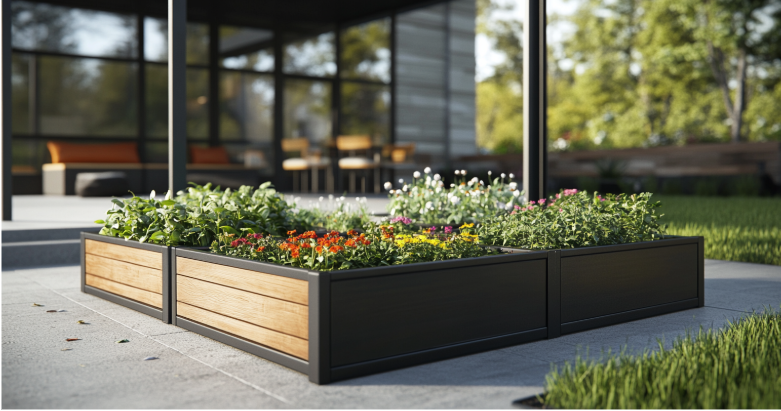
Gardening should be a fun activity and not a constant battle with poor soil and excess water. That’s why DIY raised beds are a smart solution for new gardeners hoping to catch a break. They improve drainage, prevent soil compaction, and allow total control over soil quality. No matter your skill level as a horticulturist, building DIY raised beds will make planting easier and more productive. Follow this guide to create a raised bed that boosts your harvest and simplifies garden care.
Why Build DIY Raised Beds?
A raised garden bed solves many common gardening problems. Here’s why they’re an excellent choice:
- Better Drainage – Water flows freely and reduces the risk of root rot.
- Healthier Soil – You control the soil mix which ensures balanced nutrients.
- Fewer Weeds – A raised structure keeps unwanted plants at bay.
- Less Strain on Your Back – Gardening is easier with a raised surface.
- Longer Growing Season – Soil stays warm longer, which allows earlier planting.
How to Build DIY Raised Beds: A Simple Step-by-Step Guide
Creating a raised garden bed doesn’t have to be complicated. You can easily build a durable, productive growing space that improves drainage and simplifies plant care. This step-by-step guide walks you through every essential stage, from gathering materials to maintaining a thriving garden. Let’s get started!
Step 1: Gather Your Materials
Before you build, collect the necessary supplies, as the right materials ensure a sturdy and long-lasting raised bed.
✔️ Lumber – Cedar and redwood resist rot naturally. Pressure-treated wood works but avoid using it for vegetable gardens.
✔️ Rust-resistant Screws or Nails – Prevents corrosion and extends durability.
✔️ Power Drill – Essential for quick and secure assembly.
✔️ Measuring Tape – Ensures accurate cuts for a proper fit.
✔️ Level – Prevents uneven water distribution.
✔️ Landscape Fabric or Cardboard – Suppresses weeds while allowing water drainage.
✔️ Nutrient-rich Soil and Compost – Encourages strong plant growth.
For help choosing the best wood, check out this guide from Oregon State University Extension.
Step 2: Pick the Right Location
The success of your raised bed depends on its placement. Choose an area that receives at least six hours of direct sunlight each day. Avoid spots with large tree roots or excessive shade. A level surface ensures proper water flow and even plant growth.
Step 3: Assemble the Frame
Now that your materials are ready, it’s time to build!
1️⃣ Measure and Cut the Wood – The typical size is 4×8 feet, but feel free to adjust based on your available space.
2️⃣ Drill Pilot Holes – This step prevents splitting when inserting screws.
3️⃣ Attach the Corners – Securely fasten the boards using rust-resistant hardware.
4️⃣ Check for Stability – The frame should feel firm and secure with no loose joints.
Step 4: Prepare the Ground
Before placing your frame, clear the area of weeds and debris. Laying cardboard or landscape fabric at the bottom blocks weeds from growing and allows excess water to escape. This ensures a cleaner, more manageable garden.
Step 5: Fill with High-Quality Soil
One of the biggest benefits of DIY raised beds is soil control. A mix of 50% topsoil and 50% compost works best. Adding organic matter like aged manure, worm castings, or peat moss boosts nutrients and improves plant health.
Avoid regular garden soil—it compacts easily and hinders root growth. For more tips on soil enrichment, read this composting guide from the EPA.
Step 6: Start Planting!
With the soil ready, it’s time to grow! Some vegetables thrive particularly well in raised beds:
Leafy Greens – Lettuce, spinach, and kale grow quickly in loose soil.
Tomatoes and Peppers – Raised beds provide the well-drained soil these plants love.
Root Vegetables – Carrots, radishes, and beets grow straighter in aerated soil.
Herbs – Basil, thyme, and oregano flourish in contained spaces.
Space plants appropriately to ensure good airflow and prevent disease.
Step 7: Maintain Your Raised Beds for a Thriving Garden
To keep your DIY raised beds productive, follow these care tips:
✔️ Water Regularly – Raised beds dry out faster than ground gardens. Check moisture levels often.
✔️ Apply Mulch – A layer of mulch conserves moisture and prevents weeds.
✔️ Rotate Crops Annually – This practice preserves soil nutrients and reduces pests.
✔️ Refresh the Soil Every Season – Mixing in compost maintains fertility.
DIY Raised Beds for a Healthier, More Productive Garden
Creating DIY raised beds is an easy way to improve your vegetable garden. With better drainage, nutrient-rich soil, and less maintenance, these beds help maximize your harvest. Plus, they keep your garden neat and organized.
Have you built a raised bed before? Share your tips in the comments below!
FAQs
❓ What type of wood lasts the longest?
Cedar and redwood resist decay naturally, making them the best choices.
❓ How deep should a raised bed be?
Most plants thrive in 12 inches of soil. Deep-rooted vegetables, like carrots, need at least 18 inches.
❓ Can I place a raised bed on concrete?
Yes, but for proper drainage, add a gravel layer and choose light, well-aerated soil.
❓ How often should I water raised beds?
Water needs depend on weather and plant type. In hot months, check daily and water as needed.
❓ Should I line my raised bed?
Yes, using landscape fabric or cardboard helps suppress weeds while allowing water to drain.
❓ Do I need drainage holes in my raised bed?
Not if built on the ground. For beds on concrete or patios, small drainage holes prevent water buildup.
❓ Can I plant perennials in a raised bed?
Yes! Herbs, strawberries, and asparagus thrive in raised beds.
❓ How do I keep my soil nutrient-rich?
Adding compost, worm castings, or organic fertilizer each season replenishes nutrients.
❓ What should I avoid putting in a raised bed?
Skip regular garden soil, chemically treated wood, and contaminated compost to keep your plants healthy.
❓ How long do raised beds last?
With proper care, a well-built raised bed can last 10 to 15 years.