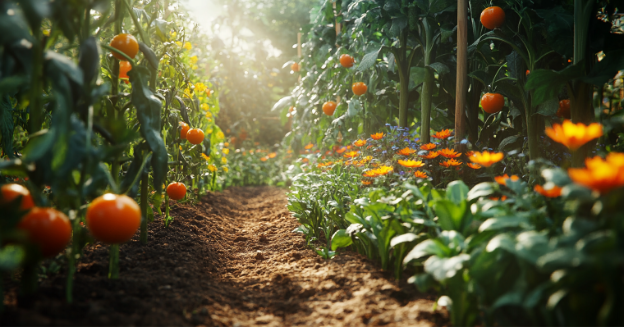
Many gardens sit idle too soon even while warm weather continues. To maximize your garden’s utilization, consider applying succession planting. This technique keeps your garden productive by rotating crops and using open space as soon as it’s available. With proper timing, each cleared bed can support new growth through spring, summer, and fall.
This guide breaks down the planting methods, vegetables, and soil care that make succession planting successful throughout the entire growing season.
How Succession Planting Extends the Season
Succession planting uses staggered schedules and crop rotations to minimize idle soil. Instead of planting everything at once, gardeners rotate crops to fit available space, avoid harvest overloads, and match the right crops with changing temperatures.
The University of Minnesota Extension explains how careful scheduling increases harvests while spreading work across the season.
Succession Planting Methods Explained
No single method fits every crop or garden size. Each succession planting approach helps manage space, temperature shifts, and harvest timing. By understanding how these methods work, you can choose which combinations fit your garden’s layout and growing season.
Staggered Planting
Plant smaller batches every one to two weeks, rather than sowing all seeds at once. This keeps harvests steady and manageable. Lettuce, radishes, and bush beans produce smaller but continuous harvests when planted in waves. Later plantings also protect against weather shifts or early pest issues that affect earlier rounds.
Follow-Up Planting
Start new crops immediately after clearing early harvests. Spring peas, spinach, or lettuce often finish by midsummer. Removing these crops opens soil for bush beans, cucumbers, or squash that thrive in warmer temperatures. Quick turnover keeps soil productive without long empty periods.
Interplanting
Grow fast and slow crops together. Plant radishes between carrots. Radishes mature quickly and leave space for carrots to continue growing. This approach uses bed space efficiently while reducing open gaps that invite weeds.
Seasonal Swaps
Transition cool-season crops into warm-season ones as temperatures climb. Early spinach, arugula, or peas finish before midsummer. Replace them with crops like peppers, squash, or basil once soil temperatures stay warm enough for reliable growth.
Best Vegetables for Succession Planting And Why They Work
Not all vegetables grow at the same rate in repeat plantings or quick rotations. The selections below can handle short-growing windows, fast germination, or heat shifts, allowing them to fit into multiple planting cycles without stressing the soil or the gardener.
Fast-Growing Crops
These vegetables grow quickly, allowing multiple plantings during one season:
- Radishes: Mature in 25 to 30 days. Suited for early spring and late summer plantings.
- Lettuce: Grows in 30 to 45 days. Tolerates light shade and regrows after cutting.
- Spinach: Finishes in 40 to 50 days. Prefers cool seasons and bolts quickly in heat.
- Arugula: Ready in 25 to 35 days. Grows quickly and handles repeat seeding in cool periods.
- Bush Beans: Mature in 50 to 60 days. Start well in warm soil and support multiple harvest rounds.
Second-Crop Options
These crops grow well after early spring vegetables finish:
- Green Beans: Grow fast in warm soil after peas or lettuce clear.
- Summer Squash: Spread quickly once planted in cleared summer beds.
- Cucumbers: Germinate fast in warm soil and produce steady yields through summer.
- Basil: Fills cleared spaces and thrives once soil stays warm.
Fall Crop Choices
Late-season plantings extend harvests into cooler months:
- Kale: Handles light frost while producing reliable greens late into fall.
- Turnips: Mature in 50 to 60 days; suited for late summer planting.
- Beets: Grow well through fall after sowing in midsummer.
- Broccoli: Forms strong heads in cooling weather following midsummer planting.
Prepare Soil Between Plantings
Every planting round pulls vital nutrients from the soil, diminishing its fertility. To maintain robust growth and ensure the health of your next crop, it’s essential to refresh garden beds between planting cycles.
Use these steps to prepare your soil effectively:
- Clear roots and debris fully.
- Add compost or aged manure to achieve a balanced nutrient level.
- Loosen soil to maintain drainage.
- Rotate crop families to reduce disease risks.
- Use cover crops like buckwheat to hold nutrients when gaps allow.
Manage Moisture and Pest Pressure
Succession planting requires steady water and pest monitoring. Warm weather dries soil quickly, stressing young seedlings.
Follow these steps:
- Water deeply in the early morning.
- Use mulch to hold moisture and suppress weeds.
- Check leaves weekly for pests like cabbage worms or aphids.
- Remove small infestations early to protect developing plants.
Succession Planting Keeps Beds Productive All Season
With steady planting schedules, proper soil care, and attention to timing, succession planting allows your garden to work longer. Each cleared row becomes another round of fresh harvests when properly managed.
Which vegetables have worked best in your succession planting this year? Share your experience or questions below.
FAQs
What is succession planting?
Succession planting rotates or staggers crops to fill open space and extend harvests through the full season.
Which vegetables grow best for succession planting?
Radishes, lettuce, bush beans, cucumbers, kale, and beets respond well to multiple plantings.
How do I refresh soil between rounds?
Clear debris, add compost, loosen soil, rotate crop families, and use cover crops where timing allows.
Does succession planting work for small beds?
Yes. Small gardens benefit by replacing early crops with quick-maturing varieties through spring, summer, and fall.