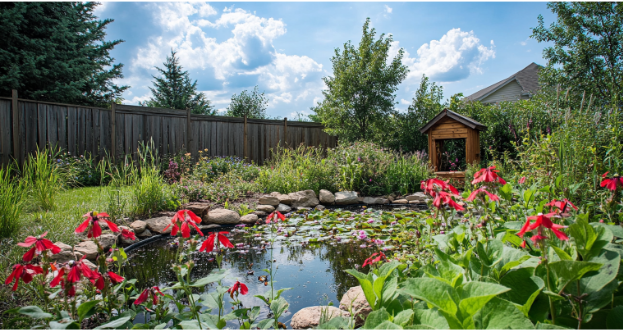
Gardens are evolving into functional, eco-friendly, and engaging spaces. Homeowners prioritize low-maintenance landscapes that promote sustainability, attract pollinators, and reduce water use. As climate concerns grow, more people are shifting to native plants and regenerative gardening techniques that work with nature instead of against it.
If you’re ready to update your garden, these trends will help you create a functional and beautiful space.
Sustainable Gardening: A Smarter Approach to Landscaping ♻️
Sustainability is a top priority for gardeners in 2025. Many homeowners choose eco-friendly practices to reduce water consumption, minimize waste, and create healthier soil.
How to Make Your Garden More Sustainable
- Plant Native Species – They need less water and naturally support local ecosystems.
- Install a Rain Barrel – Collect rainwater to use for watering plants.
- Compost Organic Waste – Improve soil health while reducing landfill waste.
- Use Permeable Pathways – Gravel, mulch, or porous stone allow water to soak into the ground.
- Limit Traditional Lawns – Replace some grass with wildflowers or ground covers.
What’s Becoming Less Popular?
- High-maintenance lawns that require chemical fertilizers.
- Plastic garden décor that doesn’t decompose.
- Pesticides that harm beneficial insects.
Learn more about sustainable gardening from The National Wildlife Federation.
Vertical Gardens: Greenery in Small Spaces
Many homeowners have limited yard space, but this situation shouldn’t stop them from doing what they love. Vertical gardening allows you to grow plants upward instead of outward. This technique works well for patios, balconies, and small urban gardens.
Easy Ways to Incorporate Vertical Gardening
- Wall-Mounted Planters – Ideal for herbs, succulents, and ferns.
- Trellises for Climbing Plants – Jasmine, clematis, and climbing roses add color and texture.
- Hanging Baskets – A great option for trailing plants like petunias or strawberries.
- Hydroponic Towers – Grow leafy greens and herbs in a compact, soil-free system.
Wildlife-Friendly Gardens: Supporting Pollinators and Birds
Pollinators are presently struggling due to habitat loss and pesticide use. In response, more gardeners are planting wildlife-friendly gardens that support bees, butterflies, and birds.
How to Attract Beneficial Wildlife
- Choose Native Flowers – Milkweed, echinacea, and bee balm provide food for pollinators.
- Add Shelter Spaces – Bee hotels, birdhouses, and brush piles create safe habitats.
- Use Organic Mulch – Wood chips and shredded leaves improve soil health.
- Include a Water Source – A birdbath or shallow pond offers fresh drinking water.
What’s Becoming Outdated?
- Lawns treated with chemical pesticides.
- Monoculture landscapes that lack biodiversity.
- Imported plants that don’t support local wildlife.
For more on wildlife-friendly gardening, visit The Xerces Society.
Edible Landscaping: A Garden That Feeds You l
Homeowners are making gardens more productive by blending ornamental plants with food crops. This edible landscaping trend allows for beautiful, functional yards.
How to Incorporate Edible Plants
- Grow Espalier Fruit Trees – Apples, pears, and figs can be trained along fences.
- Use Herbs as Ground Cover – Thyme, oregano, and creeping rosemary look great and are easy to harvest.
- Add Colorful Vegetables – Swiss chard, purple kale, and red lettuce add texture and color.
- Replace Hedges with Berry Bushes – Blueberries, raspberries, and currants offer beauty and fresh produce.
Learn more about edible landscaping at The Permaculture Research Institute.
Native Plants: The Secret to a Low-Maintenance Garden
Native plants are designed to thrive in local conditions without excessive watering or fertilizers. They also support wildlife and prevent soil erosion.
Why Native Plants Are a Smart Choice
- They Need Less Water – Well-adapted to local rainfall and climate.
- They Resist Pests and Diseases – This means they require fewer chemical treatments.
- They Attract Pollinators – Provide food and shelter for birds and bees.
Best Native Plants by Region
- Southwest – Agave, desert marigold, yucca.
- Southeast – Oakleaf hydrangea, goldenrod, bee balm.
- Midwest – Coneflower, black-eyed Susan, prairie dropseed.
- Northeast – New England aster, winterberry, wild columbine.
Find native plants for your area at The Lady Bird Johnson Wildflower Center.
Minimalist Gardens: Less Clutter, More Peace
Many homeowners simplify their gardens by removing excess plants and focusing on clean and open spaces. A minimalist garden is elegant, calming, and easy to maintain.
How to Design a Minimalist Garden
- Limit Your Color Palette – Stick to soft greens, whites, and natural tones.
- Use Natural Materials – Stone, gravel, and wood provide texture without feeling cluttered.
- Incorporate Water Features – A small pond or fountain adds movement and sound.
- Keep Plants Well-Spaced – Avoid overcrowding to highlight each plant’s shape and texture.
Explore minimalist garden designs at The Japanese Garden Society.
Garden Design Trends to Try in 2025
The garden design trends of 2025 focus on sustainability, biodiversity, and functionality. Whether you prefer edible gardens, native plants, or wildlife-friendly spaces, these ideas can help you create a beautiful and efficient outdoor area.
By choosing eco-conscious practices and plants suited to your climate, you can build an easy-to-care-for garden that’s beneficial to the environment.
Which trend are you excited to try? Share your thoughts in the comments below!
FAQs
1. What is the biggest garden design trend for 2025?
Sustainability is leading the way. More gardeners are choosing native plants, drought-resistant landscaping, and organic gardening methods to conserve resources.
2. How can I create a low-maintenance garden?
Use native plants, mulch beds, and drought-tolerant perennials. A drip irrigation system also helps reduce watering needs.
3. What are some good plants for attracting pollinators?
Milkweed, coneflowers, lavender, and bee balm attract bees, butterflies, and hummingbirds.
4. Can I start a vertical garden indoors?
Yes! Wall-mounted planters, hydroponic towers, and hanging baskets work well for ferns, herbs, and pothos.
5. What is the best alternative to a traditional lawn?
Replace grass with clover, creeping thyme, or wildflowers. These options need less mowing and support pollinators.